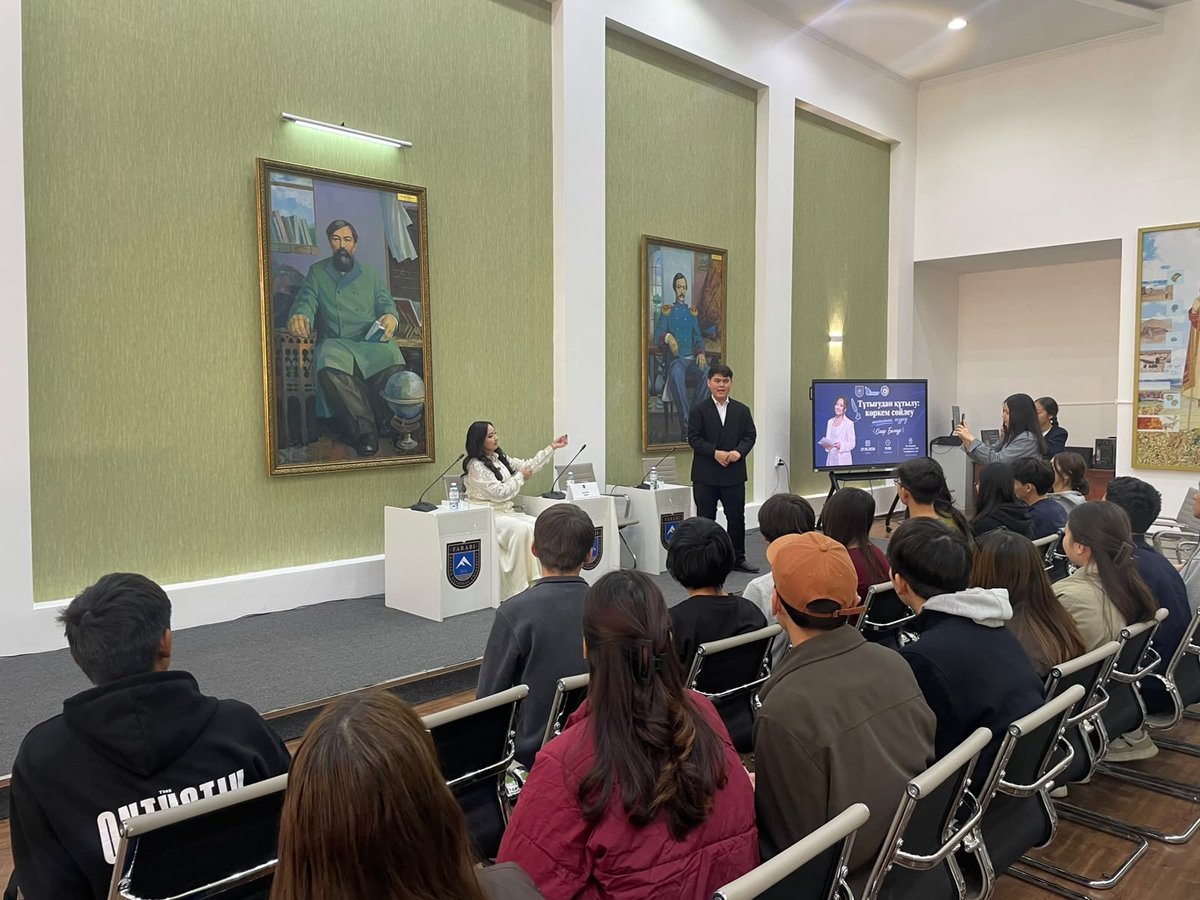
Psychological Well-Being and Quality of Life

Objective:
To develop students’ understanding of psychological well-being, explain the importance of maintaining emotional stability, and encourage healthy habits aimed at improving quality of life.
During the curator hour, students received information about the impact of psychological well-being on overall health and quality of life. It was explained that psychological well-being is associated with a person’s emotional state, self-esteem, relationships with others, and ability to maintain balance in different areas of life.
The students discussed issues related to stress, emotional exhaustion, academic workload, and effective time management in everyday life. Particular attention was paid to effective ways of reducing stress, including maintaining a proper daily routine, getting sufficient sleep, engaging in physical activity, spending time outdoors, having adequate rest, and maintaining positive relationships with family and friends.
The students also exchanged views on the importance of maintaining a balance between academic studies and personal life, understanding and managing their emotions, and seeking appropriate support in difficult situations.
The students shared their opinions on the following questions: “What is psychological well-being?”, “What determines quality of life?”, “How can we cope with stress?”, and “What activities can help improve our daily mood?”
At the end of the curator hour, it was emphasized that psychological well-being is an important component of quality of life. A responsible attitude towards one’s health, emotional state, rest, and relationships with others contributes to better well-being and greater activity in everyday life.