- Main
- News
- Methodological Seminar on Quality Assurance in the Educational Process Held at the Faculty of Geography and Environmental Sciences
Methodological Seminar on Quality Assurance in the Educational Process Held at the Faculty of Geography and Environmental Sciences
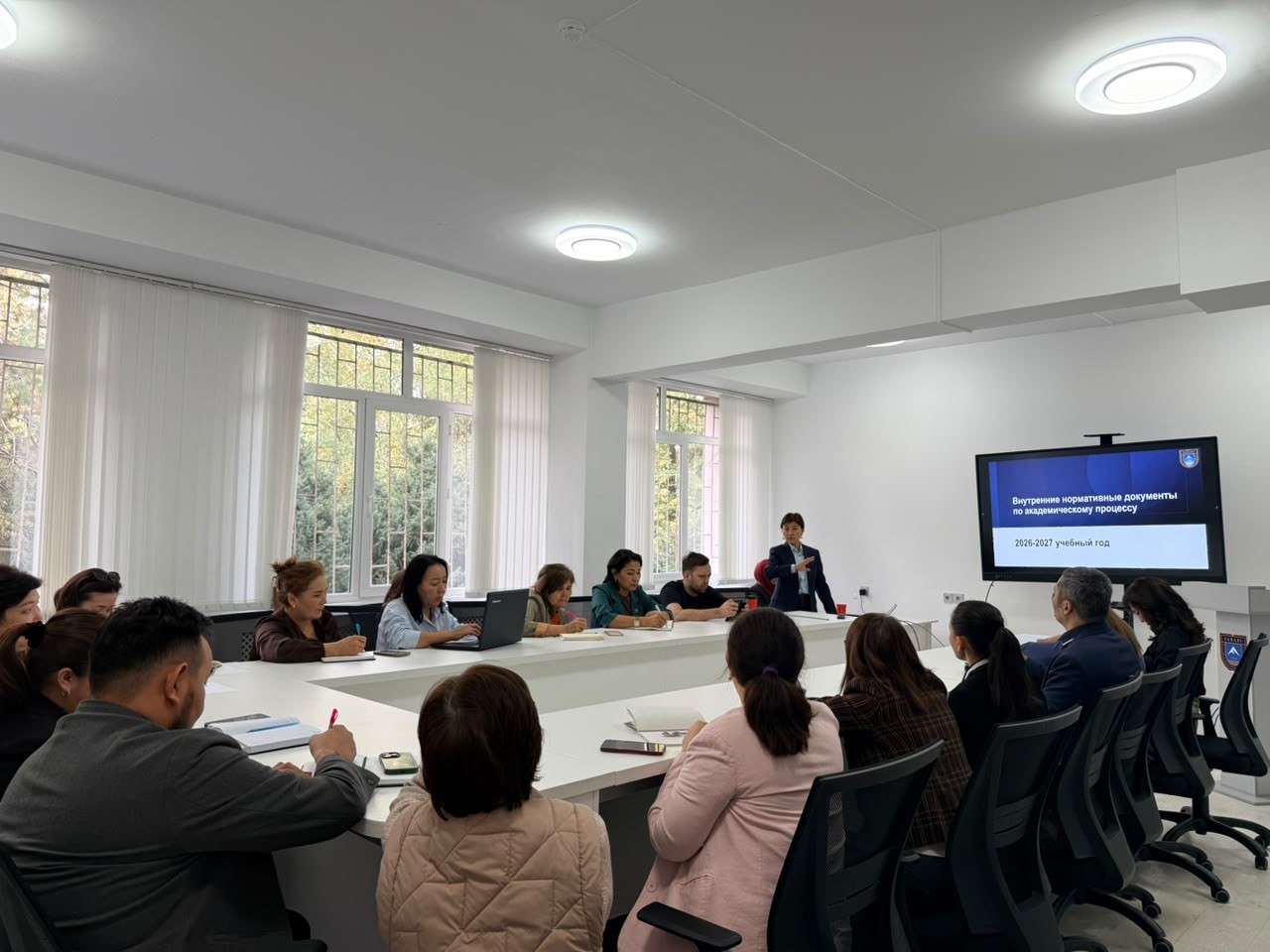
On 29 September 2026, the Faculty of Geography and Environmental Sciences of Al-Farabi Kazakh National University hosted a methodological seminar dedicated to current issues related to the organization and quality assurance of the educational process.
The seminar speakers were Assel Akhmetovna Mussinova, Head of the Department for Quality Assurance of the Educational Process; Assem Turisbekovna Botayeva, Head of the Office of Academic Analytics and Education Quality Control; and Ilya Igorevich Krugovykh, Head of the Office of Academic and Digital Innovations.
The seminar was attended by representatives of the Office of Academic Analytics and Education Quality Control, the Office of Academic and Digital Innovations, and the Department of Information Technologies, as well as the Deputy Dean for Academic and Methodological Affairs, heads of departments, and the Chair and members of the Academic Committees for Teaching and Learning Quality. The diverse composition of participants made it possible to address the issues comprehensively and to develop a shared understanding of the updated requirements and approaches to their implementation at the faculty, department, and educational programme levels.
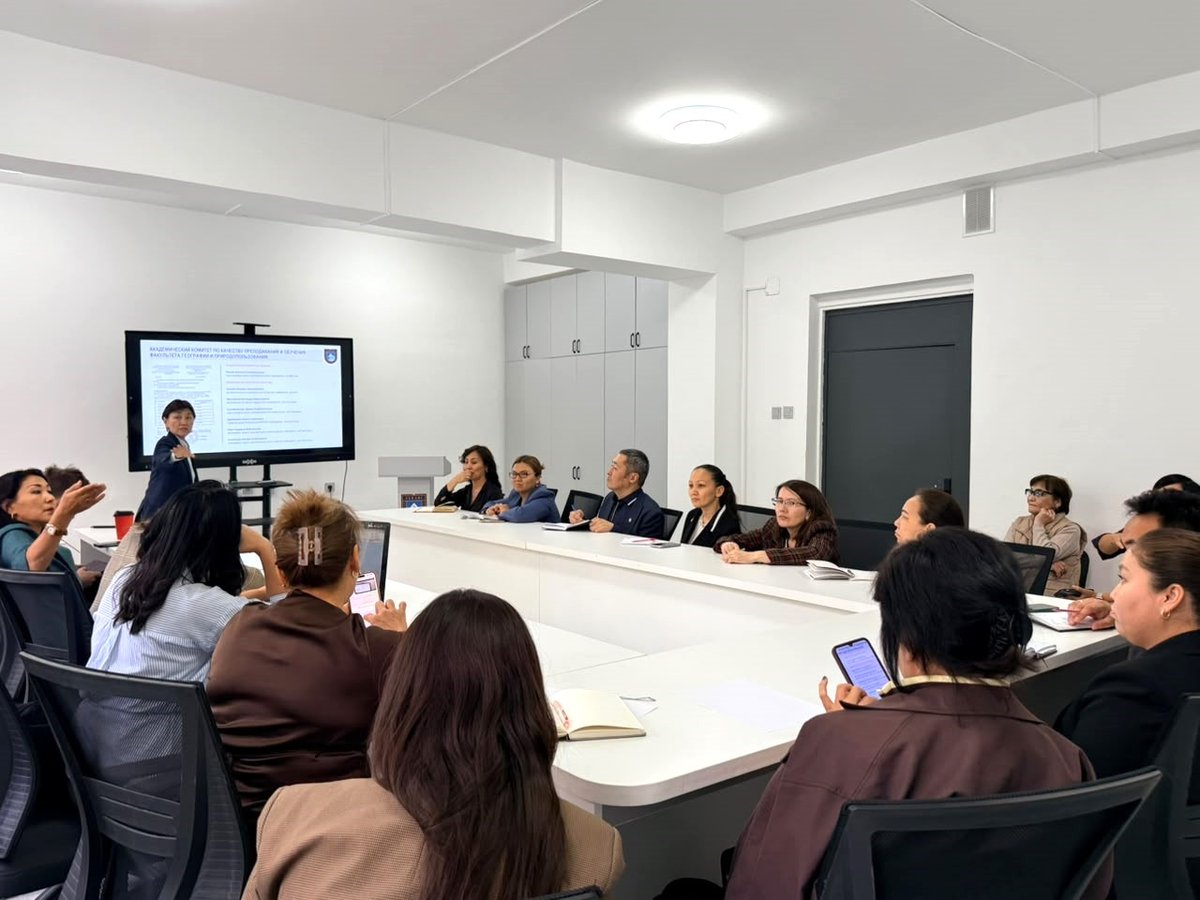
The seminar covered key issues related to the organization of the educational process in the 2026-2027 academic year, the University’s internal regulatory documents, modern approaches to assessing learning outcomes, and requirements for organizing final assessment in the Univer and Moodle information systems.
Particular attention was paid to the University’s current and updated internal regulatory documents governing the organization of the educational process, quality assurance, academic integrity, assessment of learning outcomes, and final assessment procedures.
Participants were also informed about new University documents. In particular, the “Rules for Reviewing Student Appeals”, which are currently pending approval by the Management Board, were presented. The document is intended to establish a unified procedure for handling student appeals.
In addition, a new document entitled “Academic Guide. Instructional and Methodological Letter for Academic Staff”, which is currently at the approval and publication stage, was introduced. The document is intended to systematize the main methodological guidelines for academic staff in organizing the educational process.
A significant part of the seminar was devoted to designing test examinations in the Univer information system. The main principles for developing assessment materials were discussed, including the alignment of test items with learning outcomes, content representativeness, distribution of questions by difficulty level, standardization and objectivity of assessment, as well as the need for regular updates to the question bank.
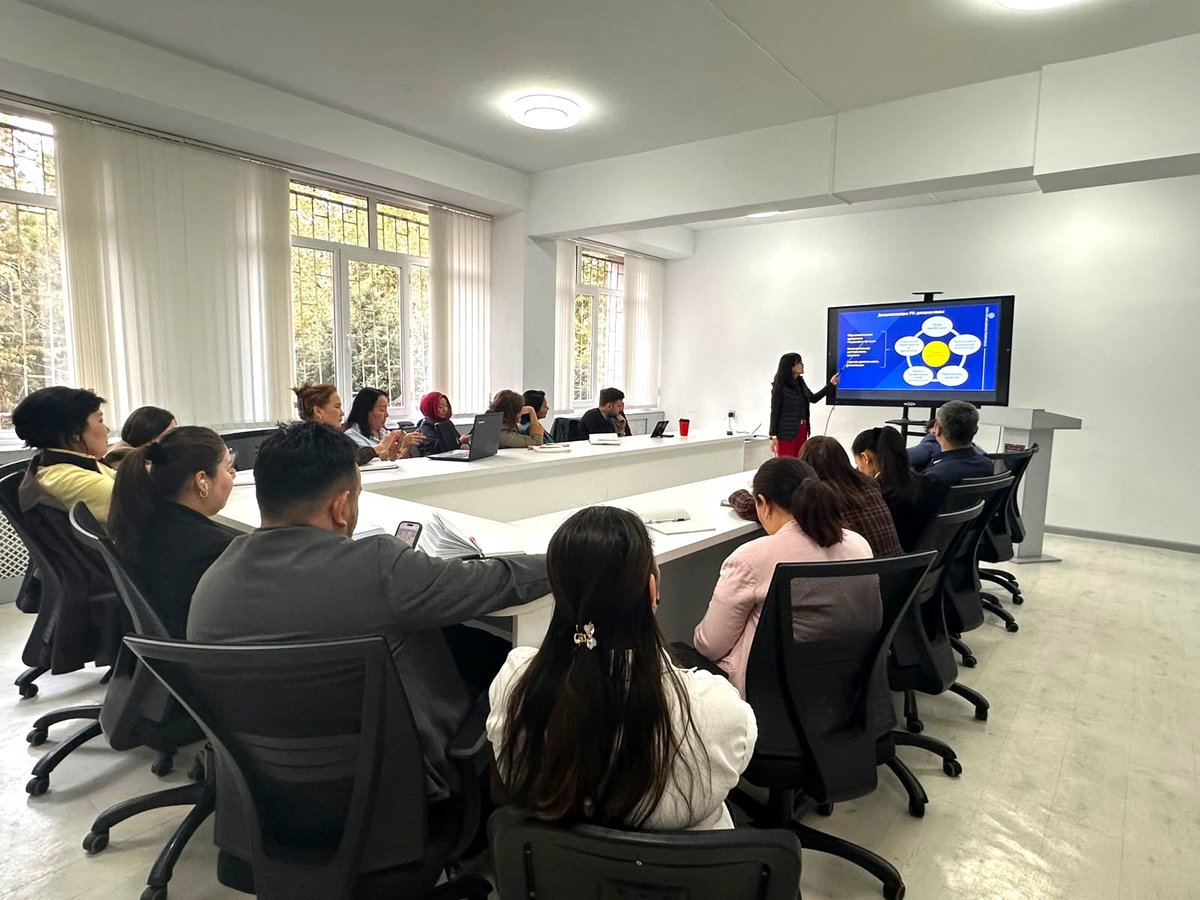
In response to the updated requirements, academic staff are expected to review and update previously developed test question banks. Previously used tests should be revised in accordance with the new specifications, taking into account four levels of difficulty, course learning outcomes, Bloom’s taxonomy, and the established requirements for the structure of test items.
A separate section of the seminar focused on the organization and administration of testing in the Moodle Learning Management System. Participants were introduced to the principles of developing question banks, distributing tasks by categories and difficulty levels, configuring tests, and using different types of questions.
The speakers paid particular attention to the quality of examination questions, including clarity and unambiguity of wording, consistency of answer options, the use of plausible distractors, the absence of hidden clues, and the correct presentation of formulas, tables, graphs, and images.
The importance of a collaborative approach to test development was also emphasized. Before questions are included in the examination bank, it is recommended that they be discussed with colleagues, piloted, evaluated for quality, and revised where necessary.
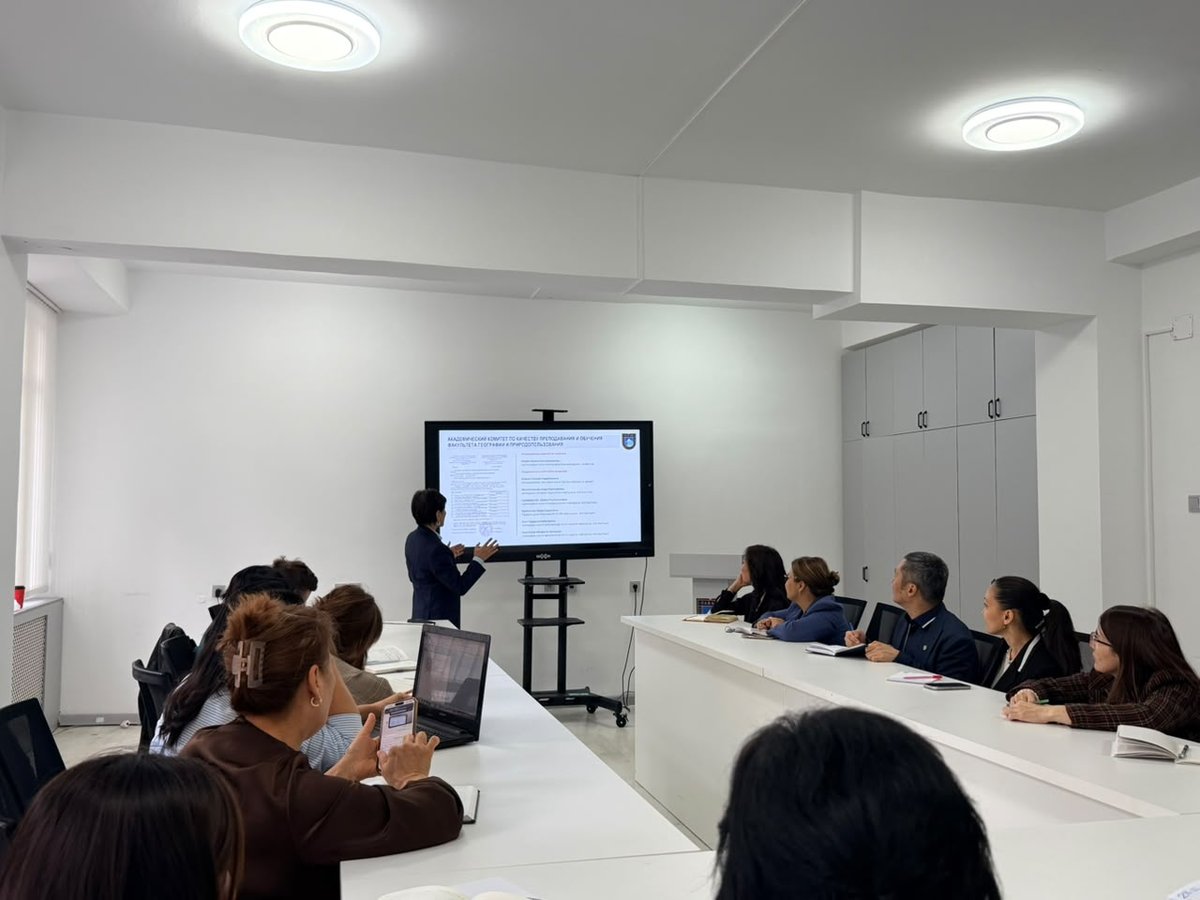
The seminar provided an important platform for discussing unified approaches to the organization of the educational process, improving assessment practices, and enhancing the quality of examination materials. The Faculty of Geography and Environmental Sciences recognizes the importance of the methodological support provided by the Department for Quality Assurance of the Educational Process and expresses its gratitude to the speakers for the informative session, practical recommendations, and valuable professional exchange.
The event contributes to the implementation of the United Nations Sustainable Development Goal 4 “Quality Education” (SDG 4). Improving assessment methods, enhancing teaching quality, and introducing modern academic and digital tools into the educational process contribute to the development of an effective educational environment at the University.
Such methodological seminars contribute to the development of a unified academic environment and the consistent strengthening of a culture of educational quality at Al-Farabi Kazakh National University.
Other news