- Main
- Psychological support
- SDG-4: Lecture: “Stalking and Domestic Violence: Prevention, Protection, and Responsibility”
SDG-4: Lecture: “Stalking and Domestic Violence: Prevention, Protection, and Responsibility”
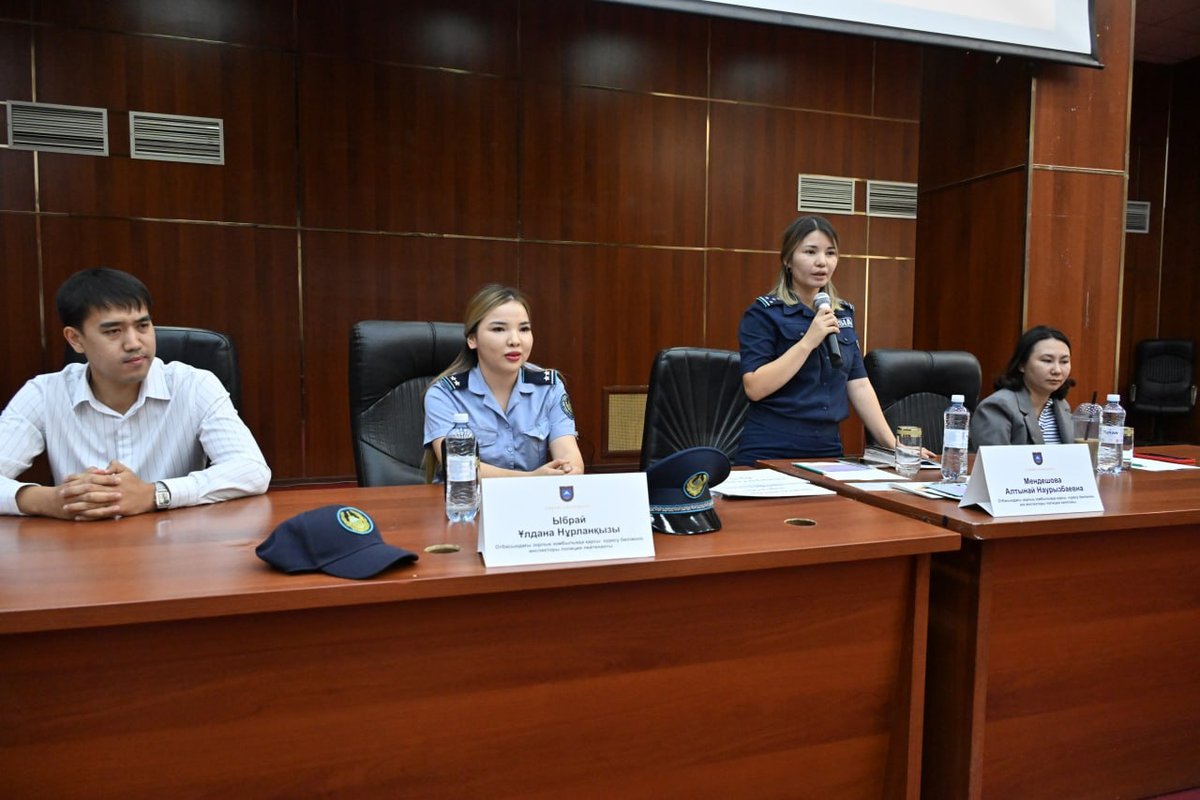
A preventive meeting on “Domestic Violence and Stalking: Prevention, Protection, and Responsibility” was held at Al-Farabi Kazakh National University. The event was organized at the Faculty of Mechanics and Mathematics with the participation of specialists from the Bostandyk District Police Department and the University’s Psychological Support Service.
Representatives of law enforcement agencies informed students about measures to prevent domestic violence, available legal protection mechanisms, signs of stalking, and the appropriate steps to take when faced with a threat. Particular attention was paid to forms of violence that are not always immediately apparent, including psychological pressure, intimidation, excessive control, economic dependence, isolation, humiliation, and restrictions on personal freedom.

Another important topic discussed during the meeting was stalking, including cyberstalking. Participants were informed that persistent surveillance, repeated unwanted phone calls and messages, monitoring social media accounts, attempts to track a person’s whereabouts, and pressure to meet or enter into a relationship may indicate a serious threat. Students were reminded of the importance of respecting personal boundaries and promptly contacting the relevant authorities when necessary.
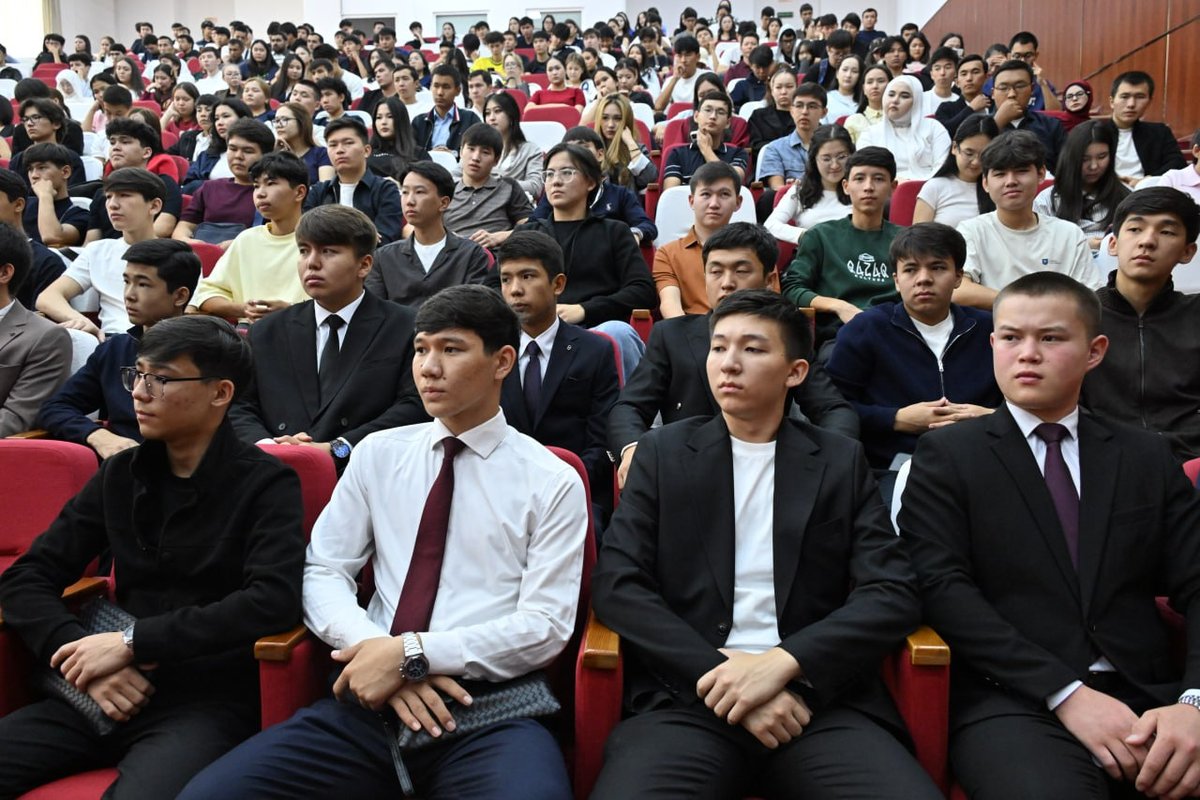
During the open discussion, students received practical recommendations on preventing dangerous situations, protecting their rights, and supporting victims. The specialists also answered questions from the participants.
The meeting aimed to improve young people’s legal awareness and foster a culture of zero tolerance for all forms of violence.
KazNU regularly conducts preventive activities to ensure student safety, strengthen social responsibility, and promote communication based on mutual respect and recognition of every individual’s dignity.