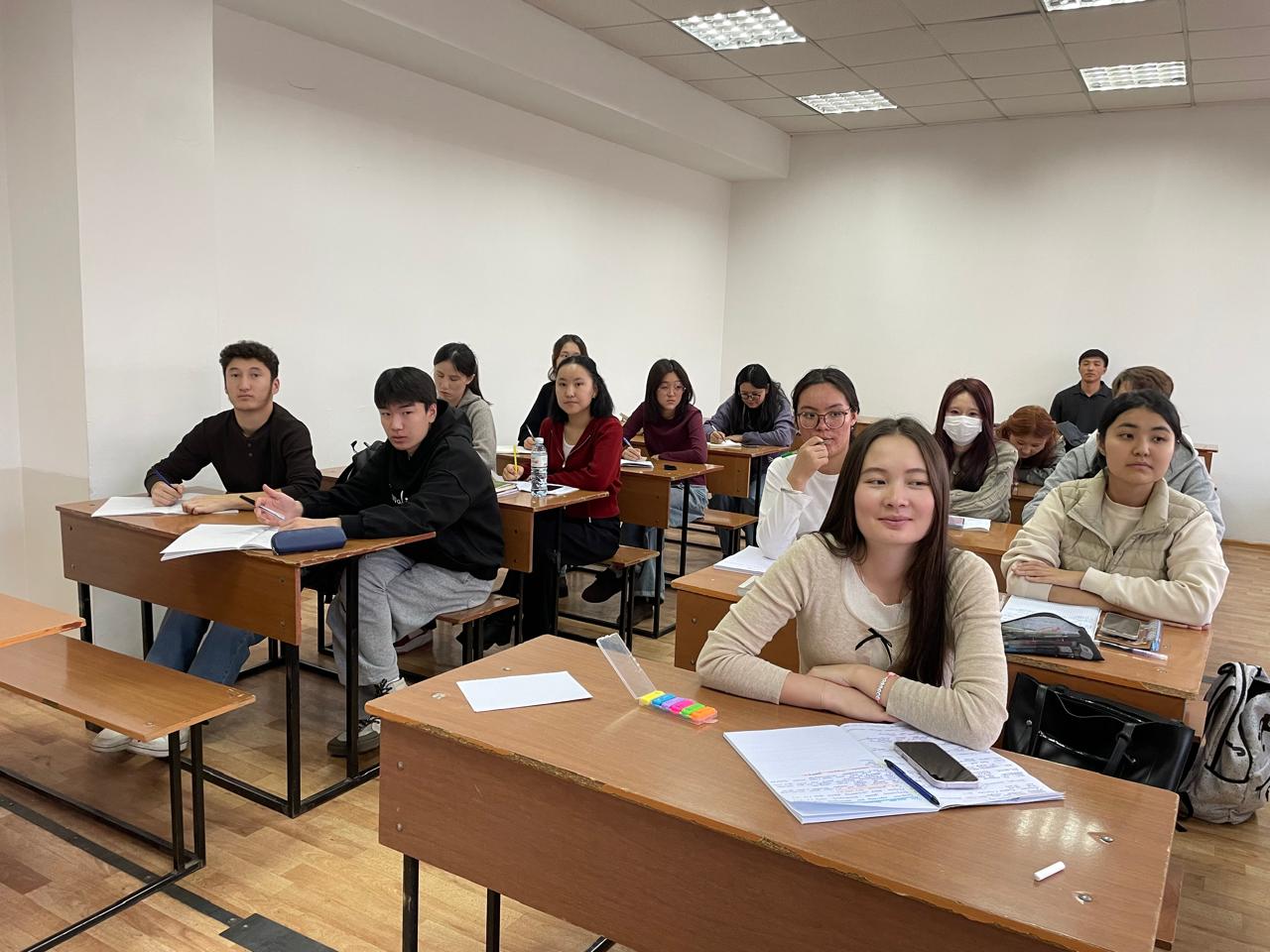
An Open Class for KazNU Students at a Research Institute
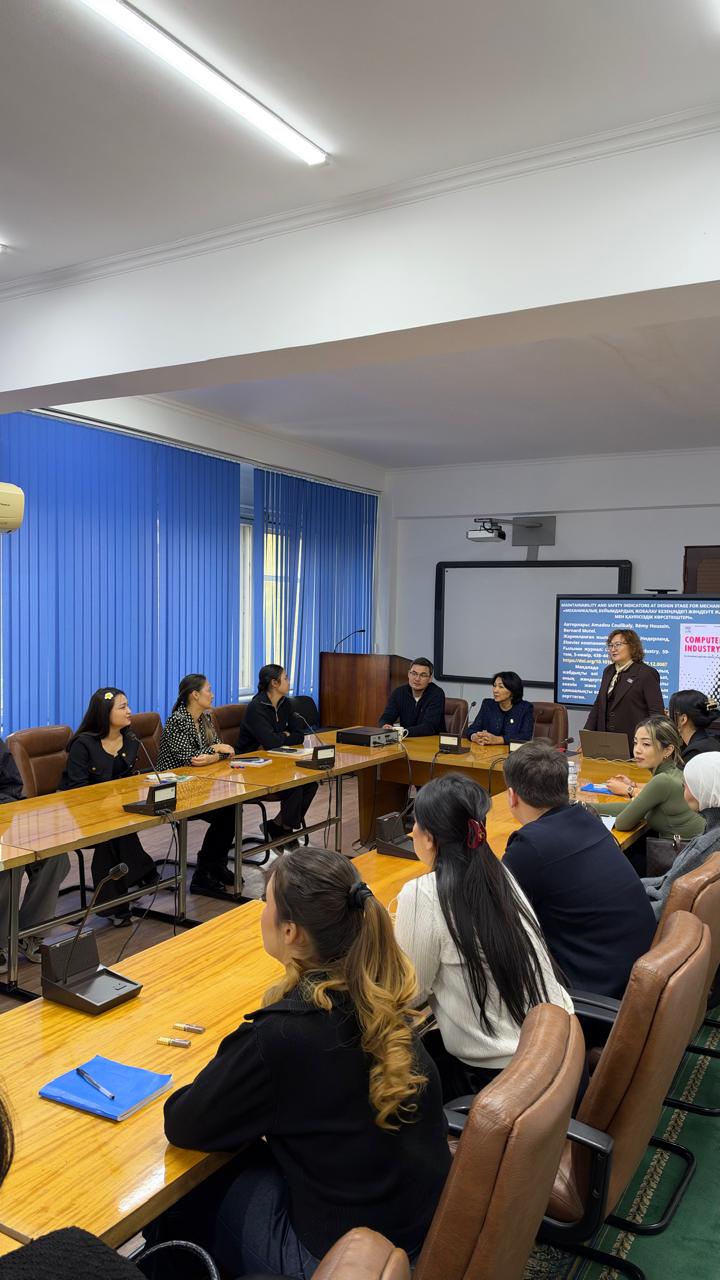
An open class in the course “Reliability of Technical Systems and Technogenic Risk” was held at the D. A. Kunayev Mining Institute for students of the “Environmental Protection and Life Safety” educational programme of the UNESCO Chair for Sustainable Development, Faculty of Geography and Nature Management, Al-Farabi Kazakh National University. The topic of the class was “Determining a System’s Ability to Be Repaired or Restored over Time. Safety Assessment”.
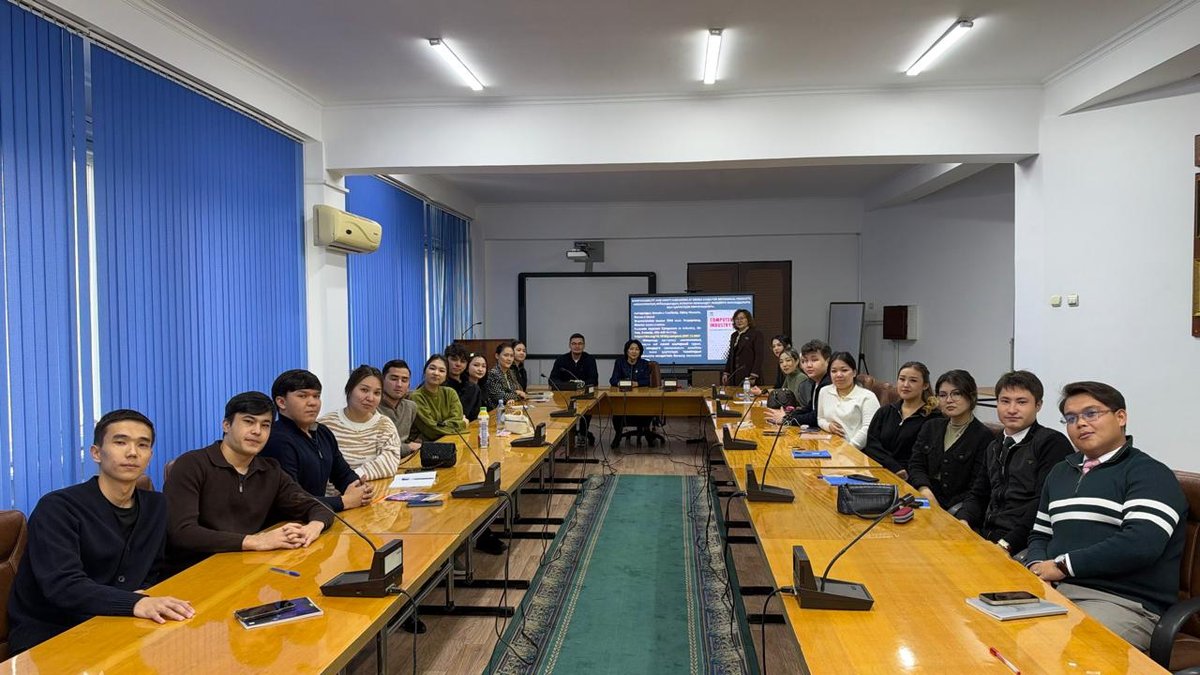
The open class was attended by T. A. Bazarbayeva, Candidate of Geographical Sciences, Professor and Head of the UNESCO Chair for Sustainable Development, and E. T. Uteshov, PhD, Director of the D. A. Kunayev Mining Institute.
The main aim of the class was to deepen students’ knowledge of the reliability of technical systems, teach them methods for assessing these systems’ storability, maintainability and ability to be restored, and explain ways to prevent industrial hazards and technogenic risks arising from failures of technical systems.
The class addressed maintaining the operability of technical systems, identifying the causes of faults, organising maintenance and repair work, and assessing equipment reliability and safety. Specific examples were used to explain that the reliability of industrial equipment depends not only on its ability to operate for a long time, but also on the ability to detect faults promptly, restore equipment and ensure safe operation.
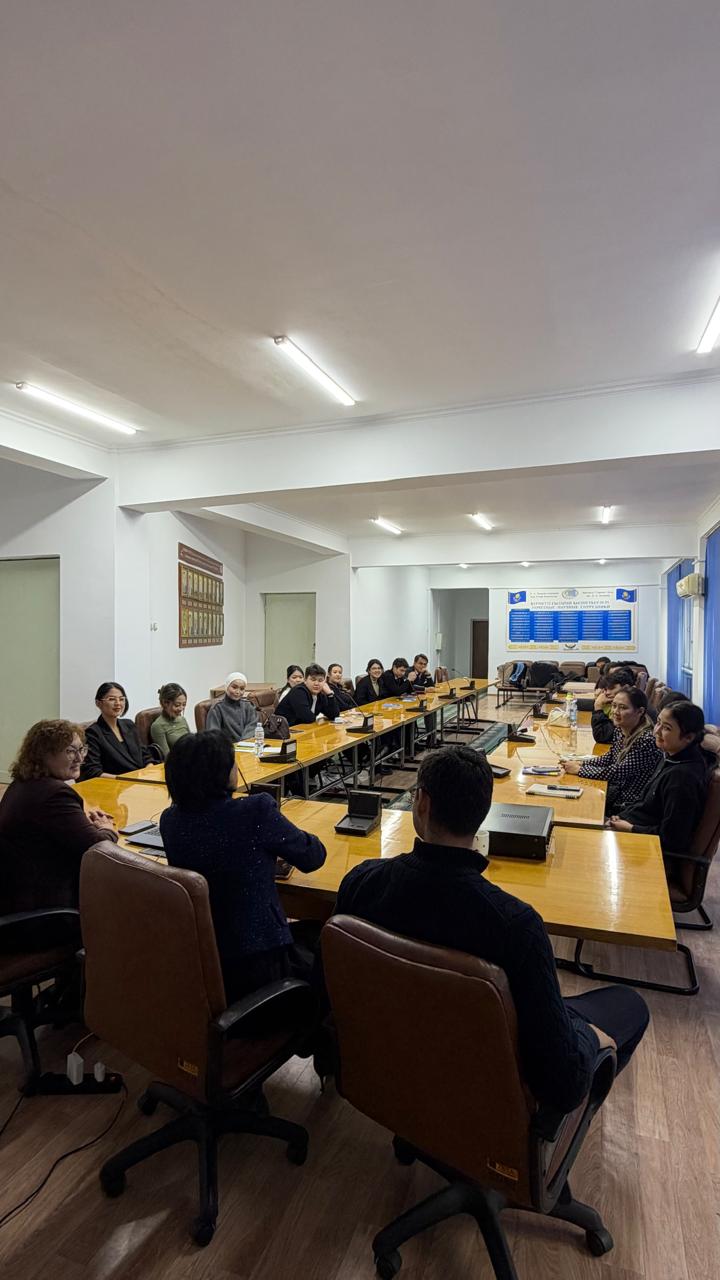
Major technological projects being implemented in Kazakhstan were used as examples to connect the theoretical material with specific engineering solutions. In particular, the Data Center Valley project in the city of Ekibastuz served as the basis for discussing uninterrupted data centre operation, the reliability of power supply and cooling systems, and the importance of backup systems and information security.
The Trans-Caspian fibre-optic communication line project, which aims to connect Kazakhstan and Azerbaijan along the seabed of the Caspian Sea, was also examined. This example was used to explain how to ensure the reliability of complex engineering infrastructure, protect cables from external influences, predict potential faults and organise the uninterrupted operation of communication systems.
During the open class, T. A. Bazarbayeva emphasised the importance of considering the reliability of technical systems and industrial safety in conjunction with the principles of environmental protection and sustainable development. In her view, future specialists must be able to comprehensively assess not only the efficiency of technical systems, but also their impact on human safety and the environment.
For his part, E. T. Uteshov drew attention to the particular role of practical knowledge in ensuring the reliable operation of technical equipment in industry, detecting faults in advance and reducing risks. He emphasised the need to be able to apply engineering knowledge in real industrial conditions in order to organise complex technological processes safely in the mining industry.
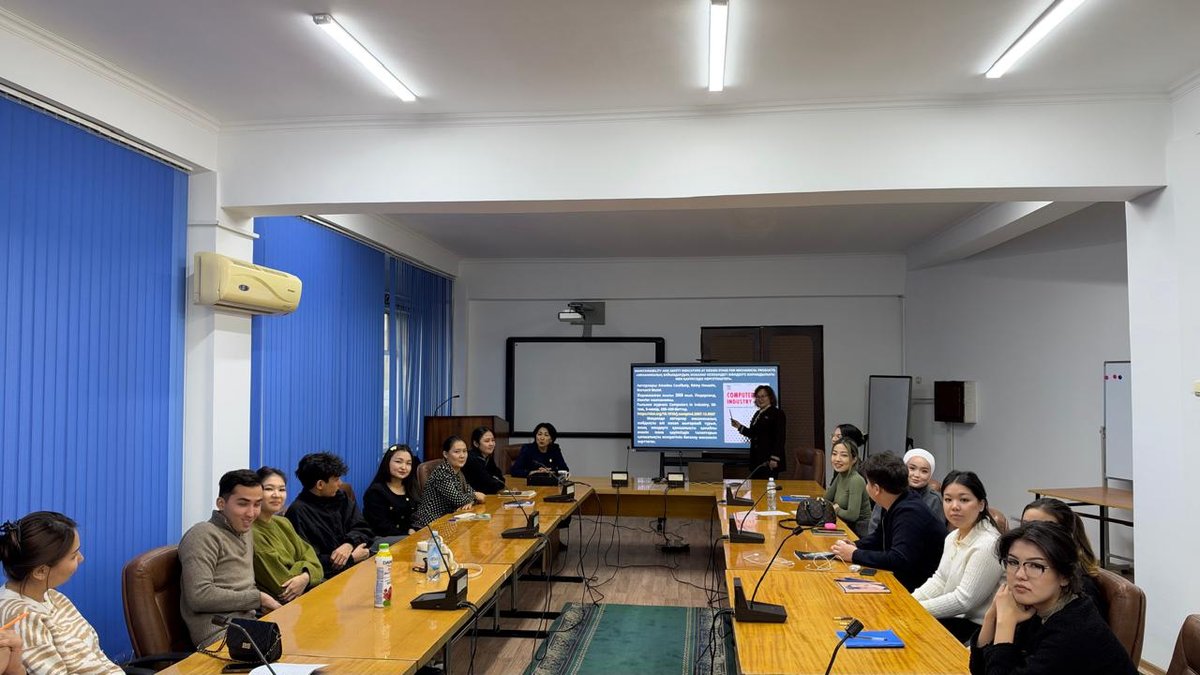
The main distinguishing feature of the class was the explanation of theoretical knowledge in connection with modern technological projects and industrial safety objectives. Holding the class at a research institute enabled students to gain a deeper understanding of the direct link between the subjects they study and their future professional activities.
The commission members who attended the open class highly rated its scientific and methodological standard, the relevance of its content and the approaches used to combine theoretical knowledge with industrial practice.
Cooperation between KazNU and the D. A. Kunayev Mining Institute is aimed at strengthening the links between education, science and industry. Such open classes help students develop engineering thinking, enhance their professional competence and apply the knowledge they have acquired in the field of industrial safety in practice.
Kozhakhan A. K. associate professor, UNESCO Chair for Sustainable Development
Other news