- Main
- News
- The Second Day of the International Seminar Focuses on Climate Change Adaptation, Environmental Sustainability and the Development of Regenerative Tourism
The Second Day of the International Seminar Focuses on Climate Change Adaptation, Environmental Sustainability and the Development of Regenerative Tourism
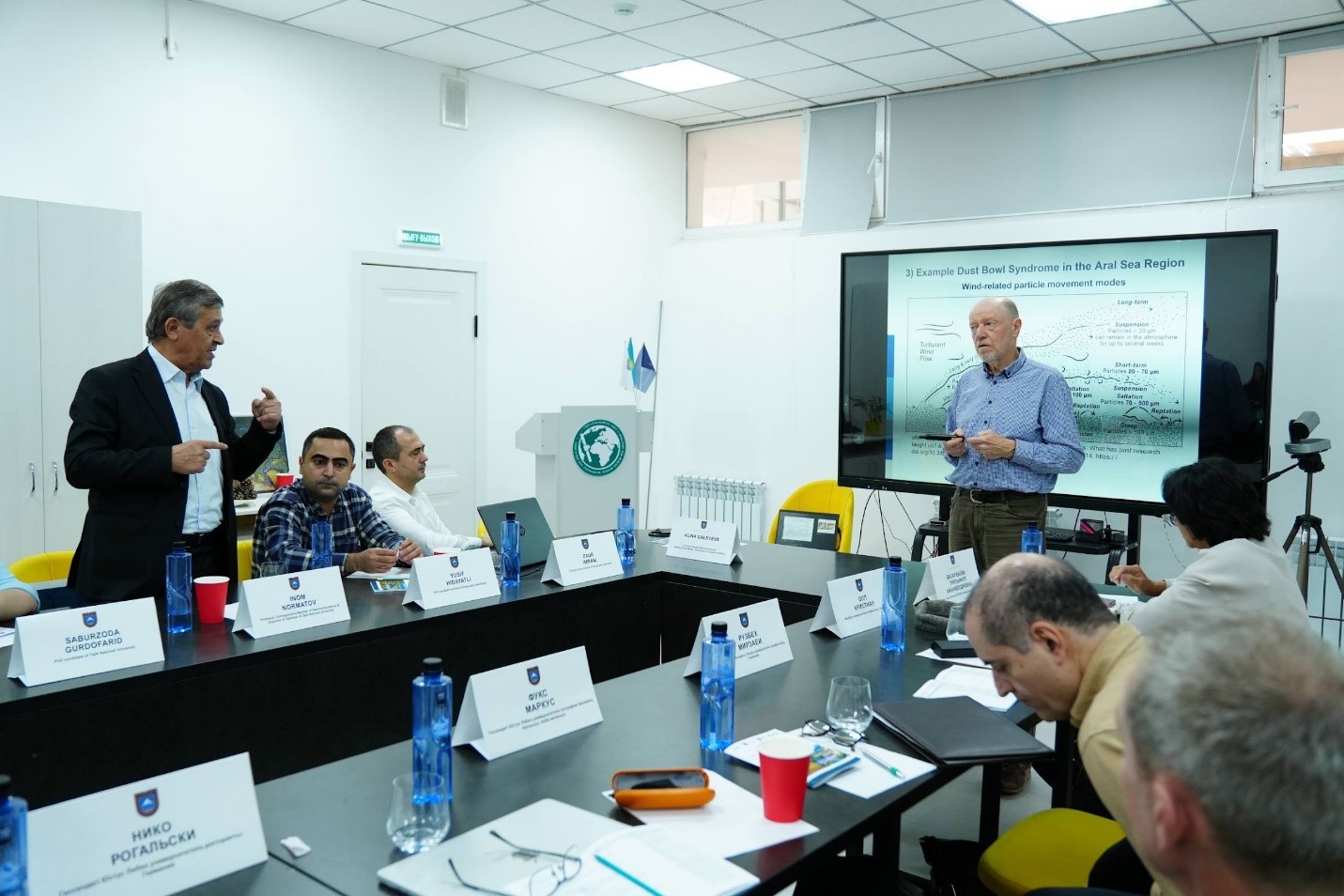
5 November 2026. The second day of the DAAD international project seminar, “Education in Regenerative Tourism, Climate Change Adaptation and Regional Perspectives,” is continuing at Al-Farabi Kazakh National University.
As part of the academic programme, participants continued discussions on pressing environmental challenges, the impact of climate change on natural ecosystems, biodiversity conservation, and prospects for sustainable tourism development in Central Asia and the South Caucasus. Particular attention was given to scientific approaches to regional climate change adaptation, the sustainable use of natural resources, and the development of tourism practices that contribute to the preservation and restoration of the natural environment.
The first session, dedicated to regional and conceptual aspects, featured presentations by Diana Akhmetzhanova, a doctoral student at the UNESCO Chair for Sustainable Development, who presented her research on cryoconite on Central Asian glaciers in the context of climate change; Zaur Imrani, Director of the Institute of Geography of Azerbaijan, who spoke about the tourism potential of Turkic-speaking countries; and Professor Christian Opp of the University of Marburg, who delivered a series of lectures on global environmental syndromes, including the Aral Sea Syndrome and the Dust Bowl Syndrome. The research presented highlighted the importance of comprehensive studies of natural processes and the development of scientifically grounded approaches to reducing environmental risks.
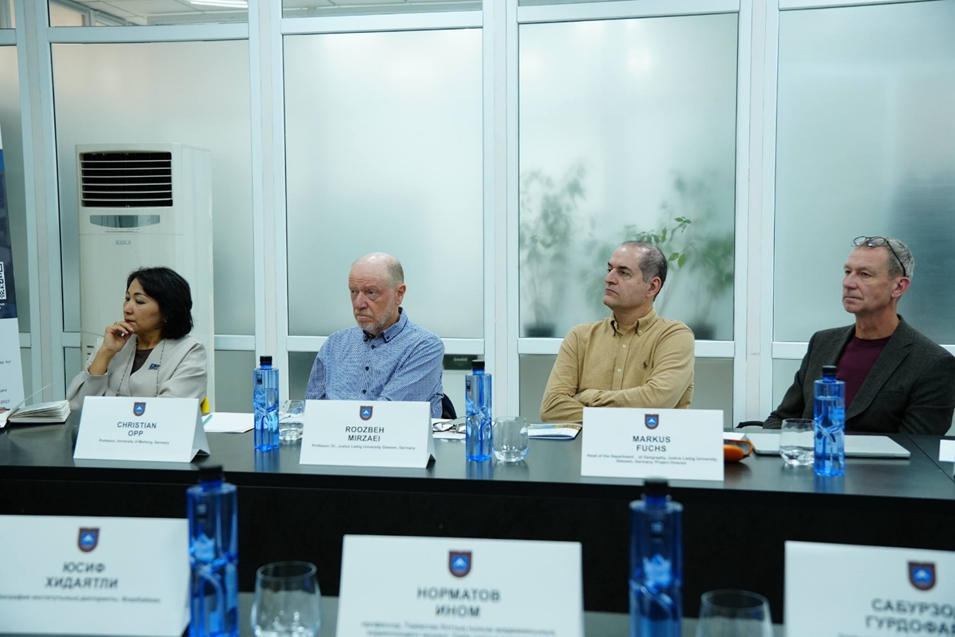
The second session focused on climate, tourism and sustainable development in the regions of Kazakhstan. During the session, Ilan Satqali, a doctoral student at the Department of Recreational Geography and Tourism, presented a paper on implementing sustainable practices in the hotel sector to support regenerative tourism in the Zhetysu Region. The approaches discussed aim to strengthen the environmental responsibility of the tourism industry, promote the careful stewardship of natural heritage, and enhance the capacity of regions for long-term sustainable development.
Professor Inom Normatov, Corresponding Member of the National Academy of Sciences of Tajikistan, presented the findings of a study on the impact of climate-induced drought on biodiversity in Tajikistan. The research highlighted the vulnerability of natural ecosystems to climate change and the need to strengthen measures aimed at conserving biological diversity.
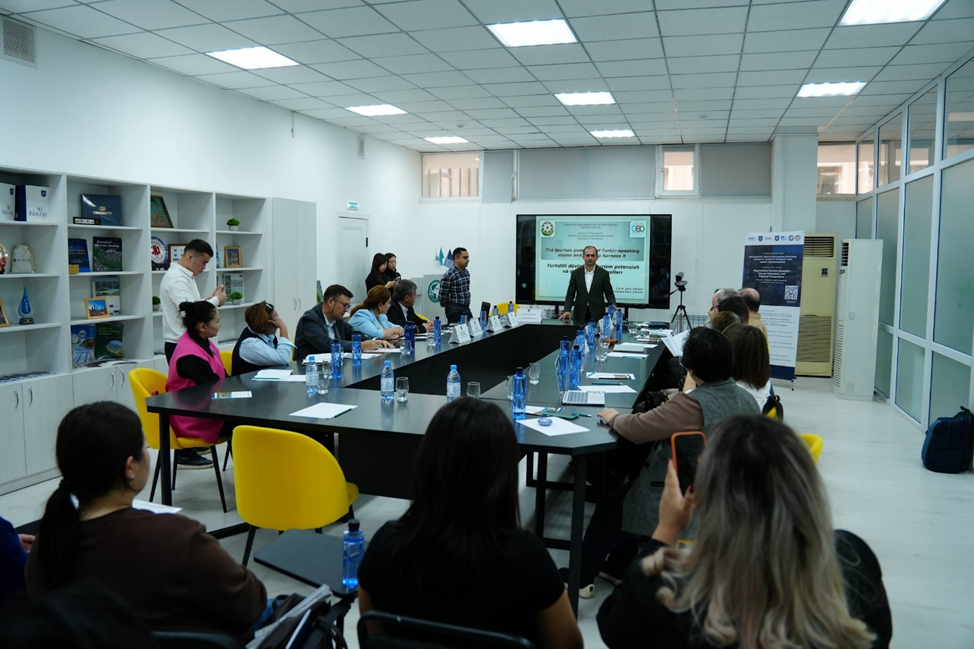
As the academic programme continued, presentations were also delivered by Moldir Bakhyt, Kairat Augambayev, Meruert Makhambetova, Daniyal Serzhanuly, Kuanysh Kelgenbayev, Gulnur Mursal inova and Mukhabbat Sirajitdinova, who presented research findings in the fields of climate change, environmental sustainability, tourism destination management and the application of modern geoinformation technologies. The research demonstrated the potential of integrating environmental knowledge, digital tools and interdisciplinary approaches to improve the management of natural areas, strengthen regional resilience and support informed decision-making in environmental protection.
The seminar's academic programme contributes to the development of international academic cooperation, the exchange of best practices and the development of comprehensive approaches to addressing environmental and climate-related challenges. The topics discussed reflect current sustainable development priorities, including strengthening ecosystem resilience, preserving natural capital and promoting responsible tourism.
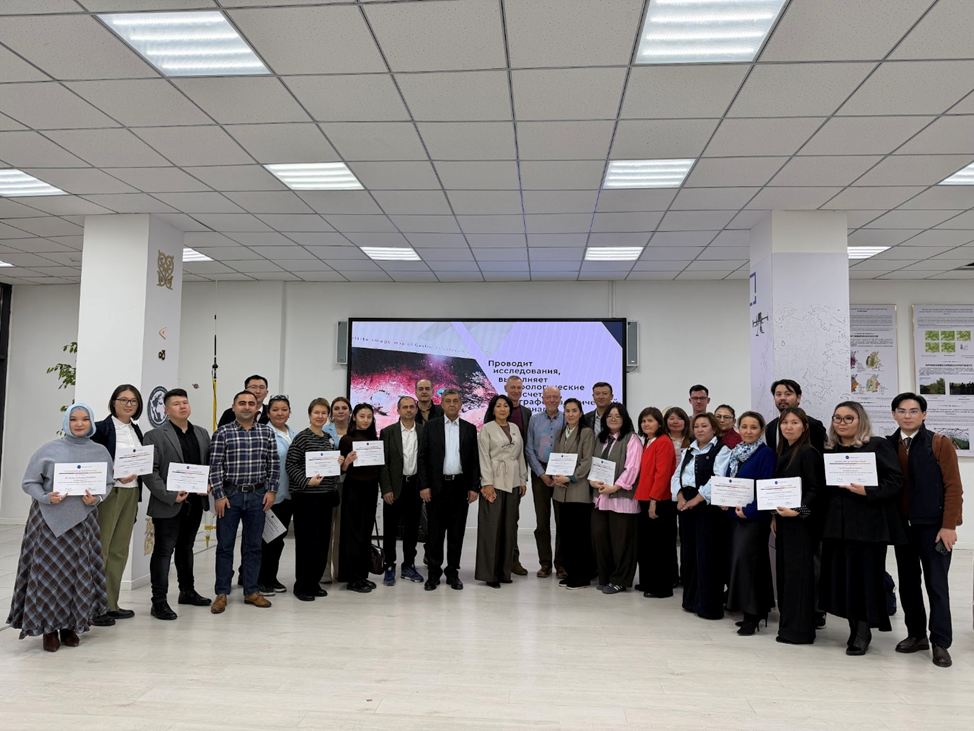
The seminar concluded with a certificate-awarding ceremony for all participants, in recognition of their contributions to international academic exchange and cooperation.