Faculty of Physics and Technology Holds Working Meeting with Curator-Advisors
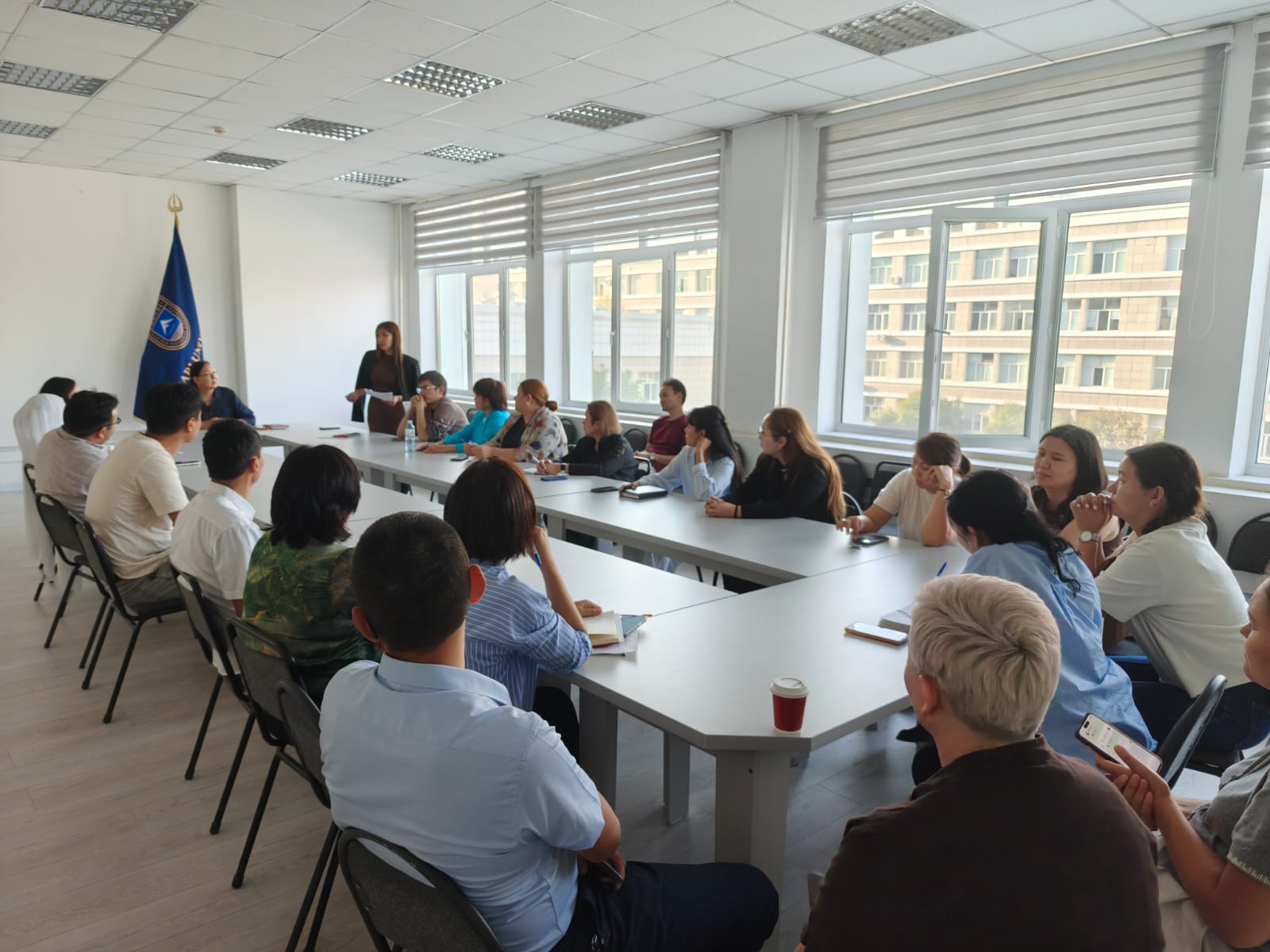
On September 16, 2026, the Faculty of Physics and Technology at Al-Farabi Kazakh National University held a working meeting with curator-advisors, attended by Dean of the Faculty Nurzada Beissen. The meeting focused on strengthening student support, improving academic advising and mentoring practices, and coordinating key priorities for the 2026–2027 academic year.
Curator-advisors play an important role in maintaining effective communication between students, academic departments, and the Faculty administration. During the meeting, particular attention was given to the need for regular engagement with student groups, timely communication of essential information, monitoring of academic progress, and providing appropriate support when students encounter academic or organizational challenges.
One of the key topics on the agenda was the use of the AI GPA system. Participants discussed academic monitoring and the effective use of digital tools to identify potential academic difficulties at an early stage. The discussion emphasized that monitoring academic performance should be complemented by individual engagement with students, particularly those who may require additional guidance or support during their studies.
The meeting also addressed curatorial monitoring and reporting procedures, including the regular organization of advisory sessions, maintaining communication with student groups, and ensuring that required information is submitted in a timely manner. Participants discussed upcoming Faculty- and University-level events and ways to encourage greater student involvement in academic, scientific, cultural, and community activities.
Another important area of discussion was students’ research, social, and extracurricular engagement. The role of curator-advisors extends beyond academic monitoring. They also help students navigate the wide range of opportunities available at the University, including research initiatives, student projects, scientific events, professional development activities, and community-based initiatives. Consistent mentoring and guidance can help students become more actively involved in university life while developing their academic, professional, and interpersonal skills.
Dean of the Faculty Nurzada Beissen highlighted the importance of maintaining systematic and meaningful communication with students. She emphasized the need to support student initiatives and achievements, identify emerging issues in a timely manner, and ensure a high standard of educational and mentoring activities. Effective advising should not only contribute to students’ successful completion of their academic programs but also create opportunities for them to develop their research potential, professional competencies, and broader engagement with the university community.
The priorities discussed during the meeting also align with the United Nations Sustainable Development Goals (SDGs). In particular, systematic student support and efforts to enhance the quality of the learning environment contribute to SDG 4: Quality Education. Providing students with equitable opportunities to participate in academic, research, and community activities is also consistent with the principles of SDG 10: Reduced Inequalities. At the same time, the integration of digital tools into academic advising and monitoring supports the development of a more responsive and inclusive university environment.
As a result of the meeting, the Faculty identified the main priorities for curator-advisors for the 2026–2027 academic year. These include maintaining regular communication with students, monitoring academic progress, strengthening the quality of advising and mentoring, supporting students’ research and extracurricular engagement, and coordinating their participation in Faculty and University initiatives.
Regular working meetings of this kind help ensure effective coordination between the Faculty administration, academic departments, and curator-advisors. They also contribute to a more supportive and student-centered academic environment in which students of the Faculty of Physics and Technology can pursue their educational goals, develop their potential, and take an active part in university life.