Al-Farabi’s Treatises: Education in the Age of Artificial Intelligence
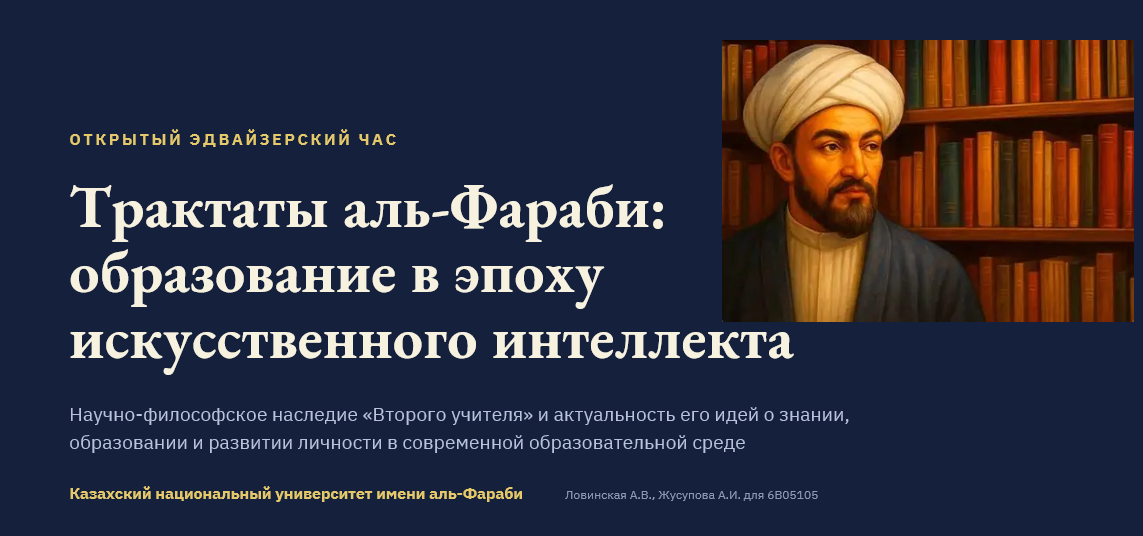
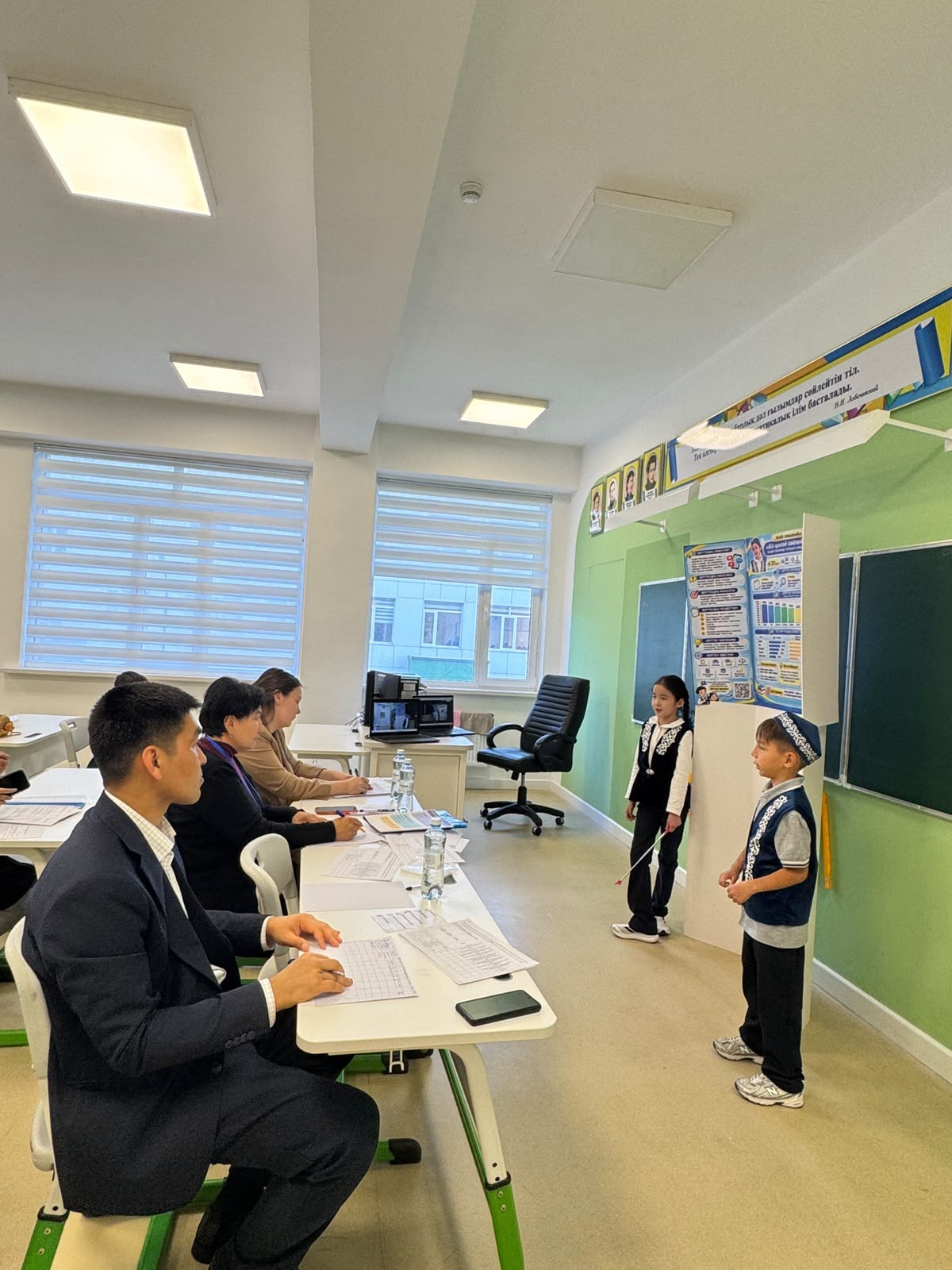
On September 23, 2026, the Department of Molecular Biology and Genetics of the Faculty of Biology and Biotechnology at Al-Farabi Kazakh National University held an open adviser session entitled “Al-Farabi’s Treatises: Education in the Age of Artificial Intelligence.” The event was attended by third-year students of the Russian-language group of the educational programme “6B05105 – Genetics.” The session was organized by curator-advisers A.V. Lovinskaya, A.I. Zhussupova.
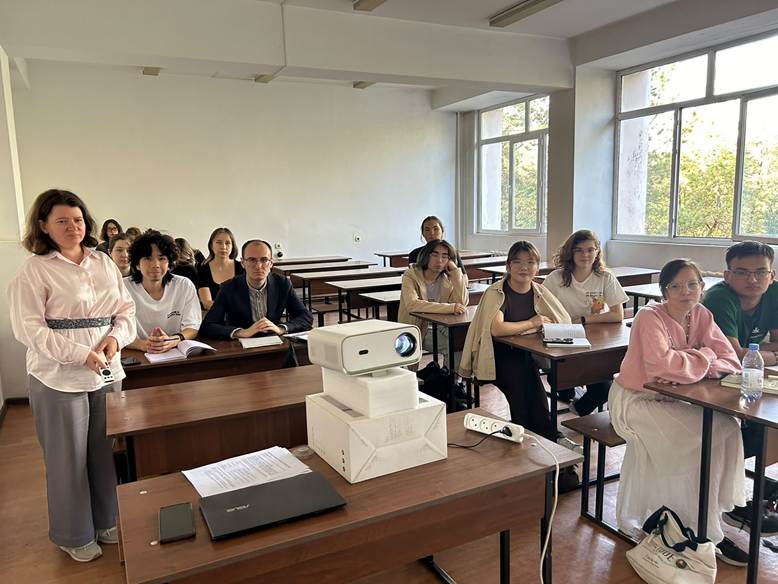
The adviser session focused on the scientific and philosophical heritage of Abu Nasr al-Farabi and his contribution to the development of logic, mathematics, music, medicine, political thought and the theory of knowledge. Particular attention was given to his works “The Classification of Sciences,” “The Opinions of the People of the Virtuous City,” “On the Attainment of Happiness,” “The Great Book of Music” and “On the Meanings of the Word Intellect.” The participants discussed the continuing relevance of al-Farabi’s ideas to the contemporary educational environment. His views were considered in relation to the development of critical thinking, learner autonomy, interdisciplinary and transdisciplinary approaches, as well as responsibility for the application of knowledge.
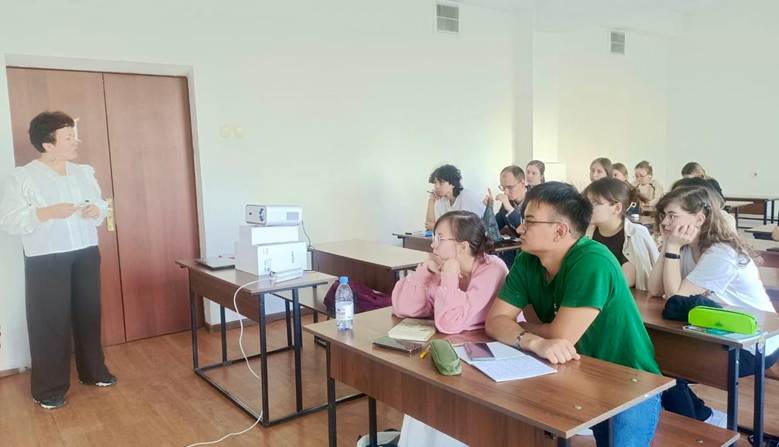
A separate part of the meeting addressed the opportunities and risks associated with the use of artificial intelligence in education. The participants examined the application of neural networks for information retrieval and analysis, personalized learning and support for scientific activities. At the same time, they discussed the risks of dependence on ready-made answers, the spread of unreliable information, violations of academic integrity and the need to verify materials generated by artificial intelligence. During the discussion, the students reflected on what a “virtuous digital city” might look like in the twenty-first century and which ethical principles should guide technological development. Particular emphasis was placed on the important role of the mentor in the educational process. The event was aligned with the UN Sustainable Development Goals, particularly SDG 4 – Quality Education, SDG 9 – Industry, Innovation and Infrastructure.
The meeting contributed to a deeper understanding of al-Farabi’s intellectual legacy and its significance for developing a modern, responsible and human-centred educational culture.
Department of Molecular Biology and Genetics
Other news