- Main
- News
- One Belt, One Road — 2026: International Conference on Digitalization and the Use of Artificial Intelligence in the Preservation and Development of Cultural Heritage
One Belt, One Road — 2026: International Conference on Digitalization and the Use of Artificial Intelligence in the Preservation and Development of Cultural Heritage
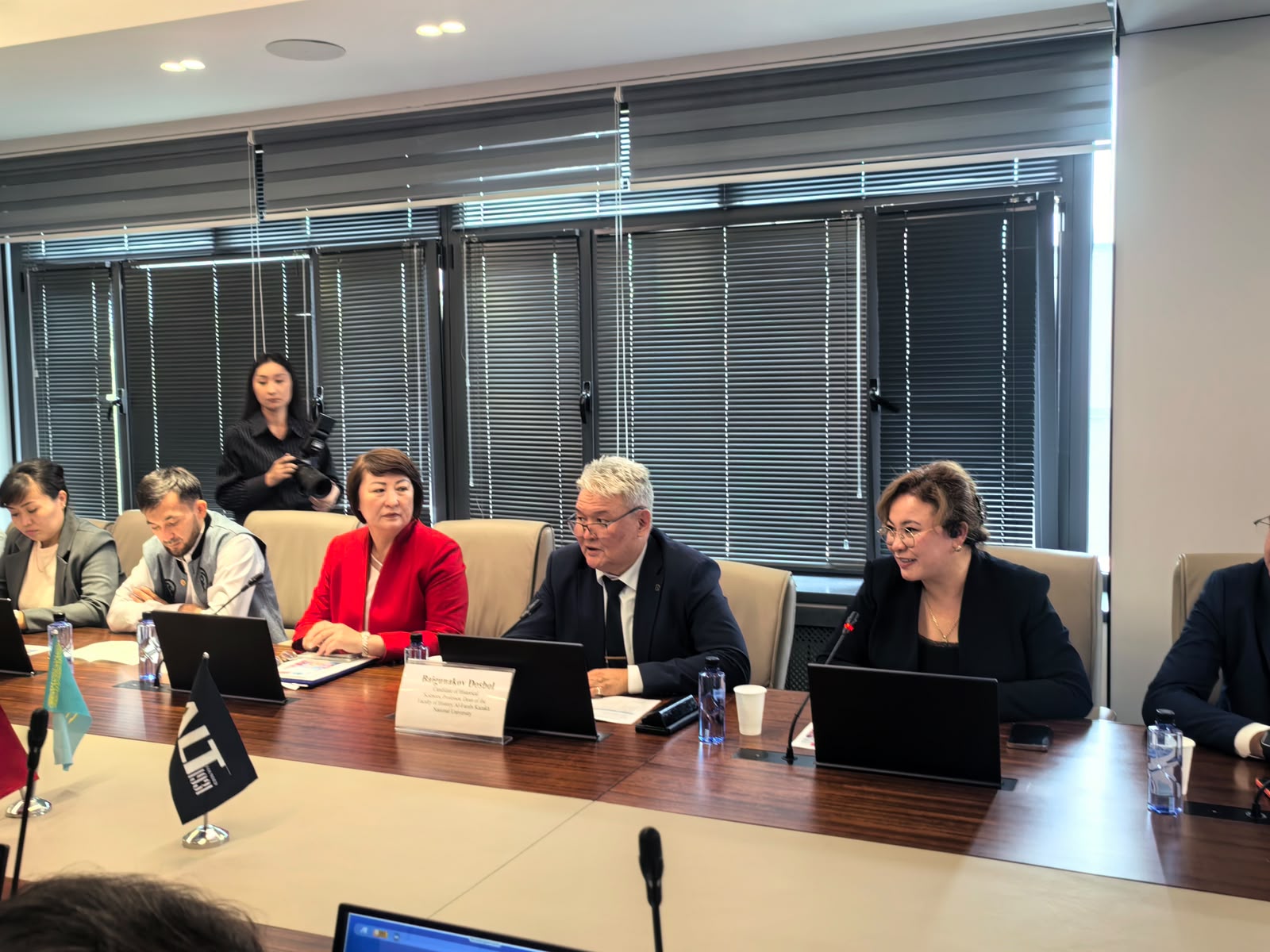
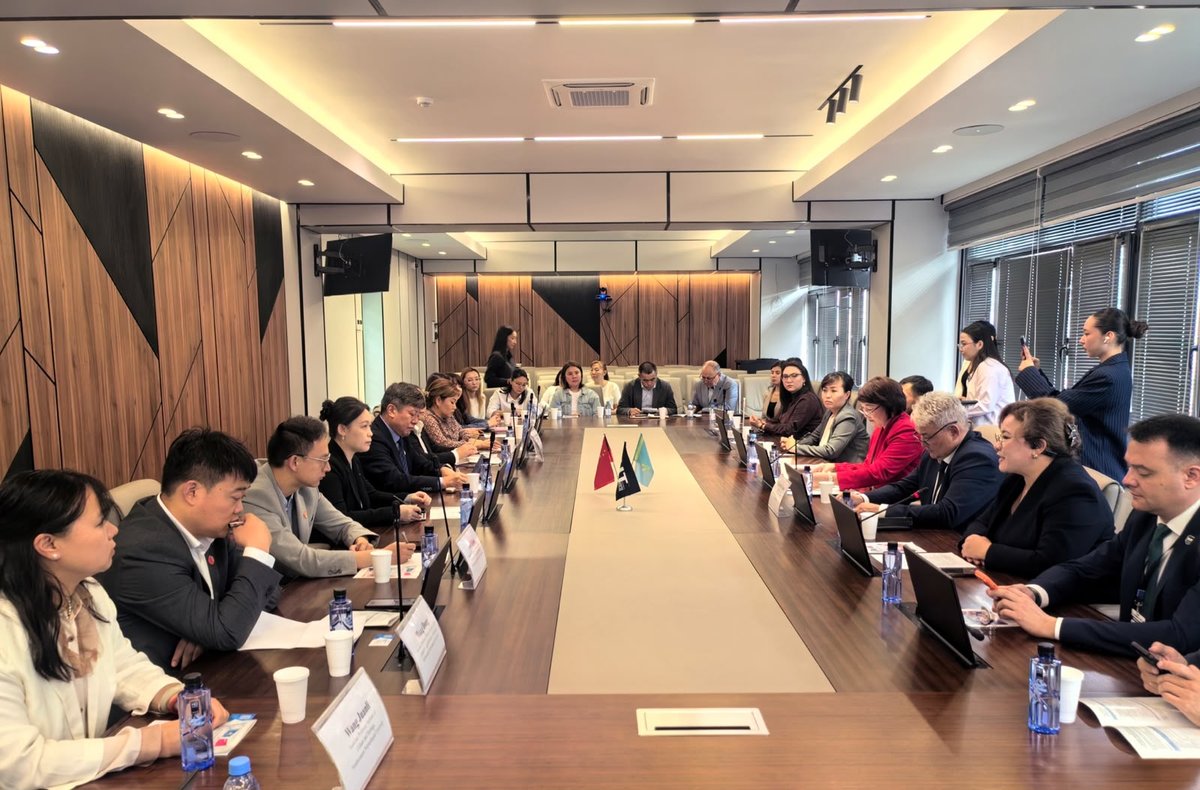
On September 24, 2026, an international conference dedicated to the preservation and development of cultural heritage in the context of digitalization and the active application of artificial intelligence technologies was held in the Small Conference Hall of ALT University.
The conference was organized and moderated by Dinara T. Kassymova, Head of the Department of Computer Science at ALT University.
The event brought together experts and specialists from the Northwestern Polytechnical University of China, Al-Farabi Kazakh National University, the National Central Museum of the Republic of Kazakhstan, the A. Kasteyev State Museum of Arts, and ALT University.
Kulpynai Duisenbai, Senior Lecturer at the Department of Sinology of the Faculty of Oriental Studies at Al-Farabi Kazakh National University, served as a Chinese-language interpreter, facilitating effective communication and academic exchange between participants from Kazakhstan and China.
Welcoming remarks were delivered by Meruert S. Zharmagambetova, Rector of ALT University, and Dosbol S. Baigunakov, Dean of the Faculty of History at Al-Farabi Kazakh National University. In their addresses, they emphasized the importance of inter-university and inter-institutional cooperation in the study, preservation, and promotion of the cultural heritage of the Silk Road. Sun Ao, Vice President of the Kazakhstan Branch of Northwestern Polytechnical University, also delivered welcoming remarks.
Researchers from the Institute of Culture and Heritage of Northwestern Polytechnical University — Dong Wenqiang, Cao Yijian, Wang Dong, Wang Juanli, and Tang Xingjia — presented contemporary scientific developments and practical approaches to the preservation of stone, wooden, and paper artifacts, as well as wall paintings. Particular attention was given to digital technologies for cultural heritage protection, including the use of hyperspectral imaging.
Kazakhstani museum specialists shared national experience in the restoration of saukele, a traditional Kazakh headdress, and in the study of bone artifacts dating back to the Bronze Age. Ardak Yershatkyzy, a doctoral student at the Department of Sinology of the Faculty of Oriental Studies at Al-Farabi Kazakh National University, presented her ideas and research approaches in the field of cultural heritage preservation and study.
During the conference, participants emphasized the need for systematic cooperation among higher education institutions, museums, and research organizations. It was noted that universities provide scientific expertise and human resources, museums preserve and promote authentic collections, while research institutions develop and implement advanced technologies for heritage preservation.
Particular attention was paid to joint research projects, the digitalization of museum collections, the application of artificial intelligence and advanced technologies in the restoration and documentation of cultural heritage sites, as well as the development of academic exchanges between Kazakhstan and China. Following the meeting, the parties reached a number of agreements on further cooperation.
The international conference provided an important platform for exchanging academic expertise and discussing the prospects for applying digital technologies and artificial intelligence to the preservation of cultural heritage. The event also contributed to strengthening scientific and academic cooperation between Kazakhstan and China and laid the groundwork for joint research and practice-oriented projects in the study and preservation of the heritage of the Silk Road.
Other news